|
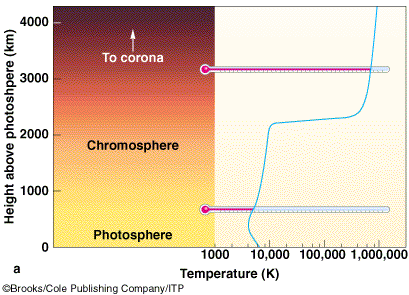
The omniverse is matter and antimatter universes of atoms composed of electrons and positrons, 2d and 3d photon quanta with opposite and like polarity to fields of stars and planets which capture electrons from deep space, transform photons into protons which transform with electrons into elements composing matter and antimatter universes, and where electrons in one polarity universe have the same polarity as positrons in the other. Starlight ionizes atoms freeing electrons and the ionized solar winds of stars induce a voltage potential between stars and deep space powering solar currents which transform voltage potential into kinetic energy until electrical resistance of the Corona transforms kinetic energy into photons, radiated as starlight and electrifying the solar atmosphere.
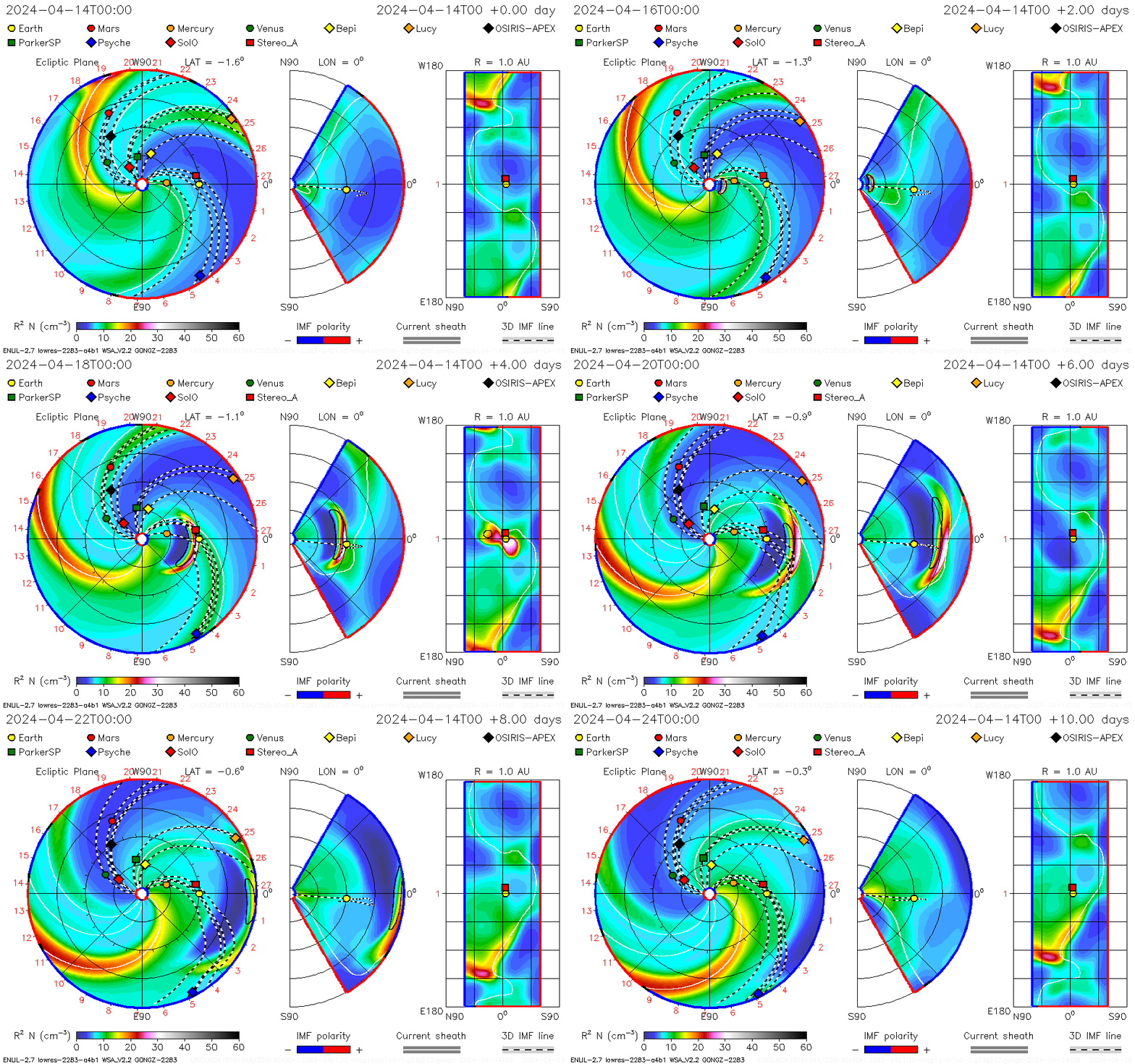
The Solar electric currents, electrify the solar atmosphere which traps and electrons on solar field lines grounded on the solar core and extended anti-sunward in coronal loops by the repelling force between trapped electrons which electrify and power CME’s, when they escape solar gravity. A coronal mass ejection (CME) is a massive, explosive release of plasma from the Sun’s corona into interplanetary space. Traveling at speeds between 250 km/s and 3,000 km/s, these events can reach Earth in 15-18 hours, where they can trigger geomagnetic storms, disrupt power grids, and cause vibrant auroras.
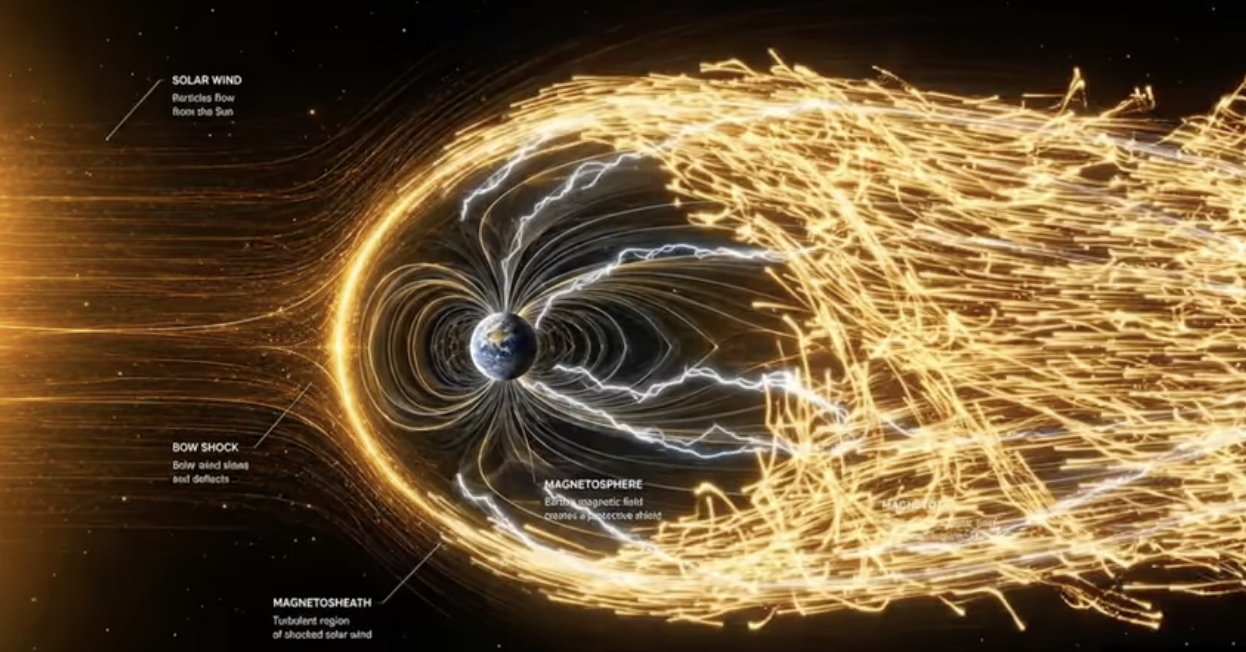
When a CME intersects the planetary field, CME field lines drape and electrify Field lines grounded in the atmosphere inside the auroral ovals, and the repelling force between CME electrons powers high amperage sheet currents inducing auroras and electrifying sectors of the ovals facing the night sky during geomagnetic storms.
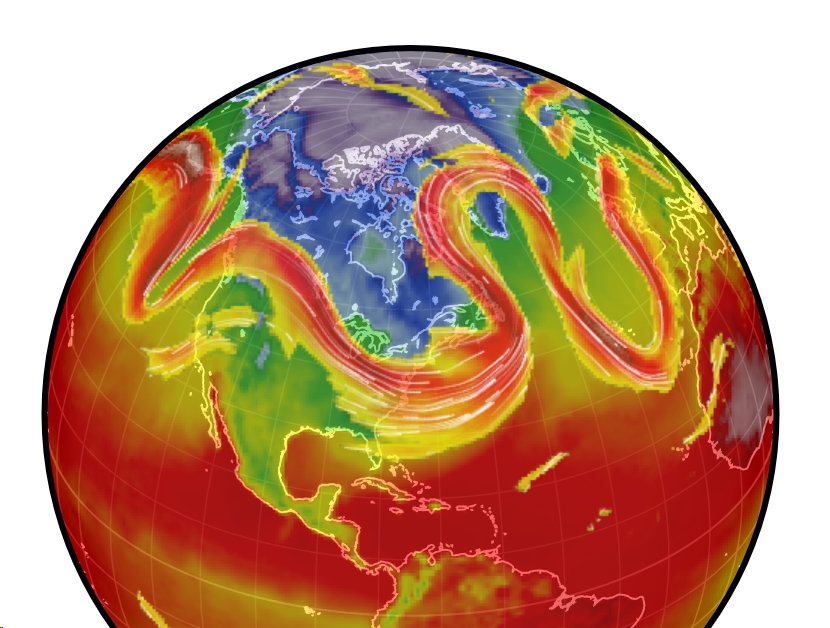
SolarCycle 24: 2013 x 2014 x 2015 x 2016 x 2017 The planetary field captures electrons from deep space and electrified weather systems induce a voltage potential between planetary surface and core where electrons transform into field line, powering core electric currents, where photons transform into protons and protons and electrons transform into elements increasing planetary mass and lithosphere as magma upwells, forming new lithosphere between the spreading oceanic plates.
Before the deepwater oceans planetary surface area was equal to the surface area of the continental landmasses, the lithosphere draped the mantle in an unbroken rocky shell and Earth was in geosynchronous orbit with Mars, with 24 hour orbital and rotational periods, halfway between their present solar orbits. Titanium deposits on the near side of the moon suggest the surface was heated by atmospheric friction before the impact knocked Earth out of geosynchronous orbit with Mars.
|
Atoms are Electrons and Positrons