BEFORE THE DEEPWATER OCEANS
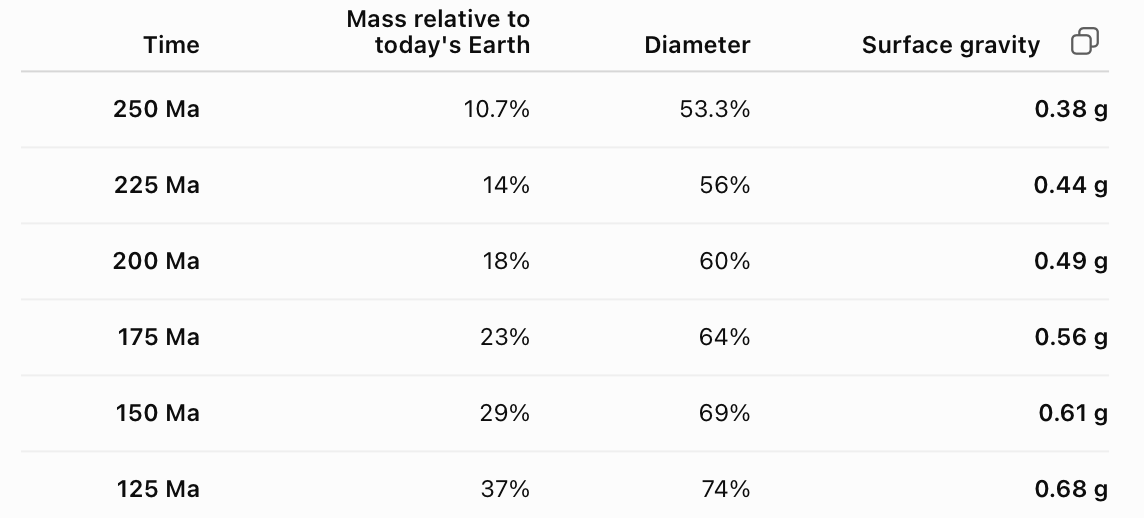
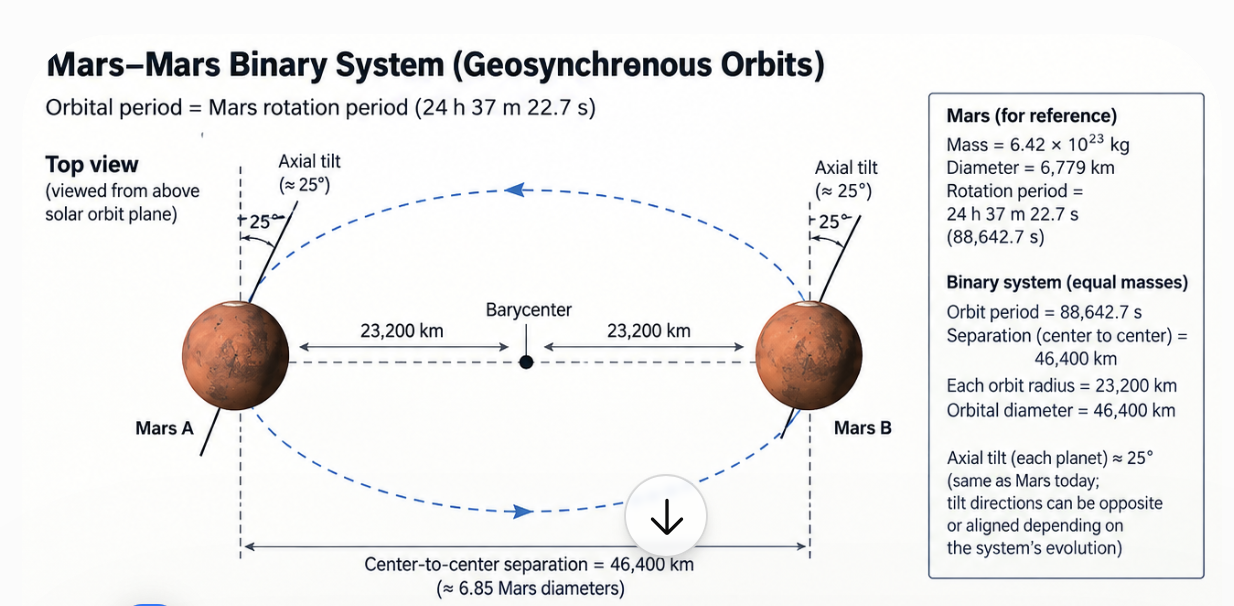
Before the deep water oceans Earth and Mars were the same mass and surface area, and locked in geosynchronous orbits halfway between their present solar orbits, until an impact knocked Earth out of geosynchronous orbit with Mars and released the planets on opposite trajectories into orbits, closer to and farther from the sun.
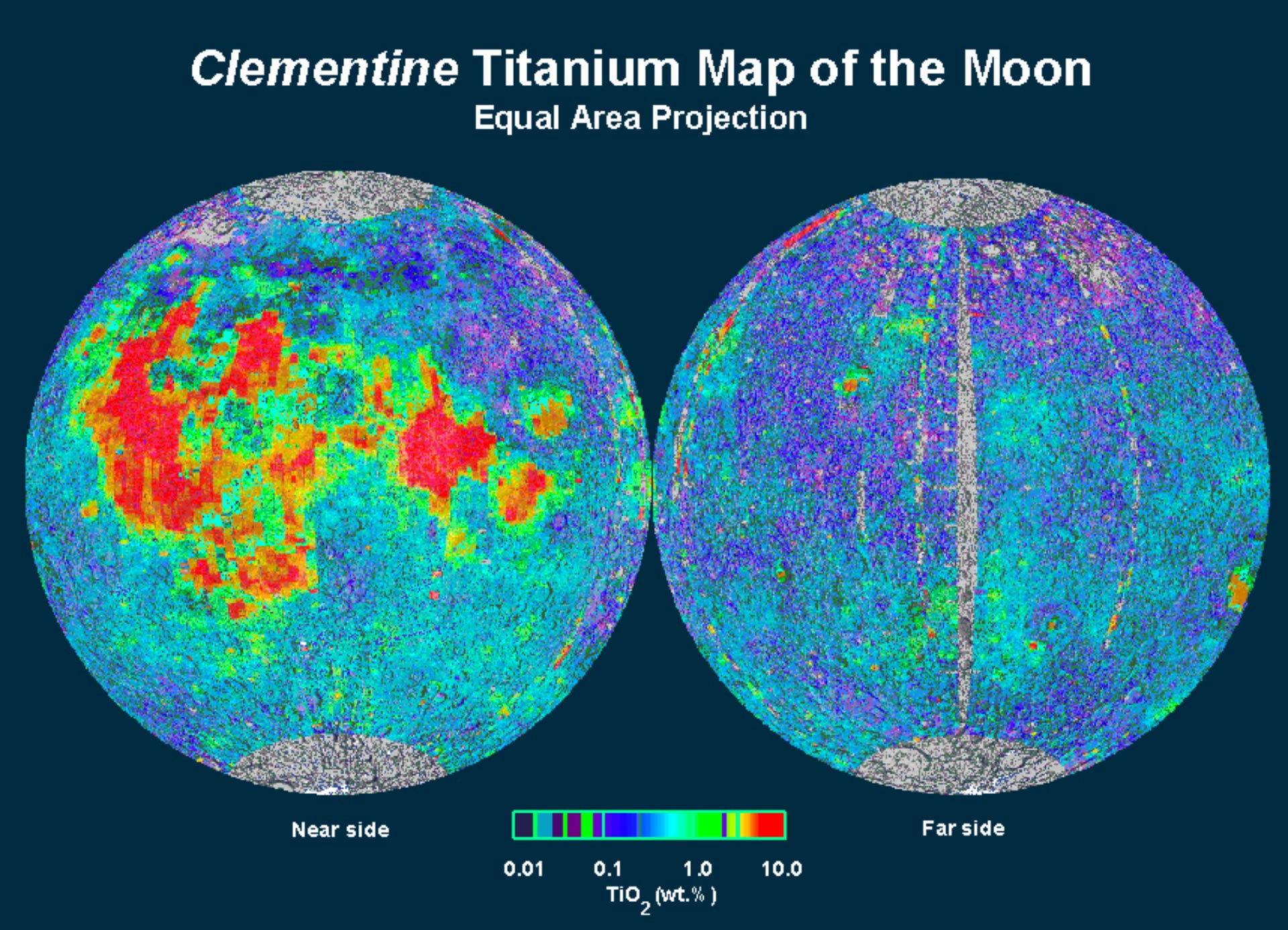
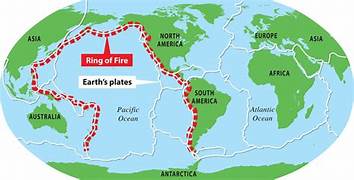
A map of the titanium abundances on the Moon’s near side indicates extremely high concentrations compared to terrestrial rocks. We mimicked the high-Titanium basalts using high-temperature experiments clearly demonstrating how the melt-solid reaction is integral in understanding formation of these unique magmas. Before the impact planetary surface area was equal to the surface area of the continental landmasses, the lithosphere draped the planet in an unbroken rocky shell stretched flat by internal pressure, as the field transformed photons and electrons captured from the solar wind into mantle elements, and punctuated by volcanos which increased planetary surface area by thickening the lithosphere. OCEAN SPREAD RATES/MILLION YEARS The impact with the moon shattered the lithosphere into plates and created a depression which became the seabed of the Pacific Ocean. Pacific Ocean
Atlantic Ocean
North America – Eurasia — 10–20 km/Myr
1. Argentinosaurus 2. Patagotitan mayorum 3. Dreadnoughtus schrani 4. Puertasaurus reuili 5. Paralititan stromeri
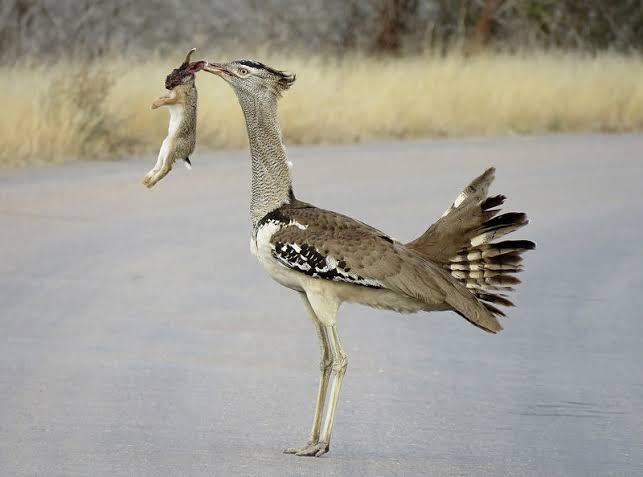
The Kori bustard (Ardeotis kori) is widely recognized by scientific institutions like the Natural History Museum as the heaviest living bird capable of flight, with large males weighing up to 19–40 kg (40–88 lbs).
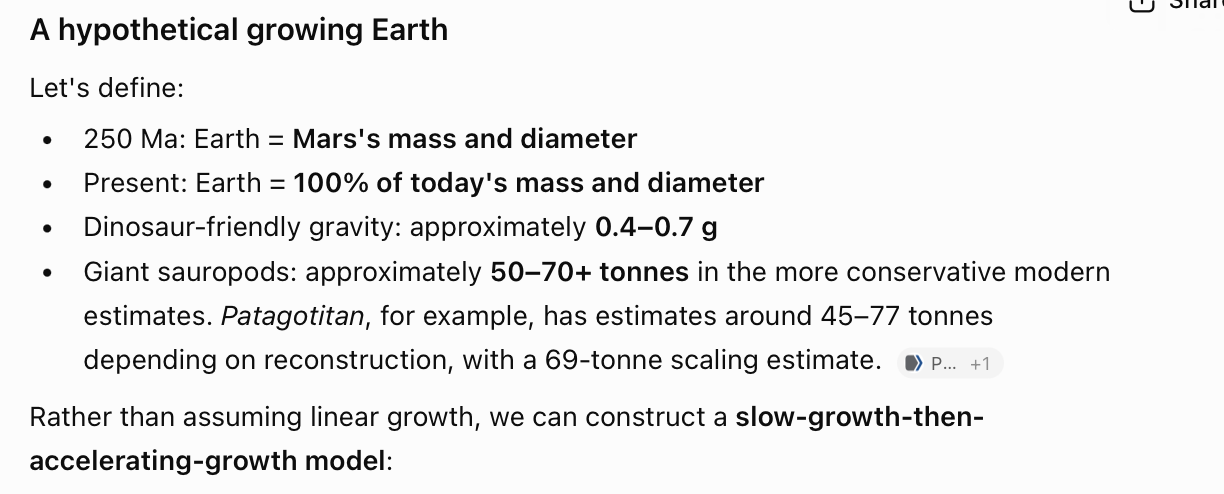
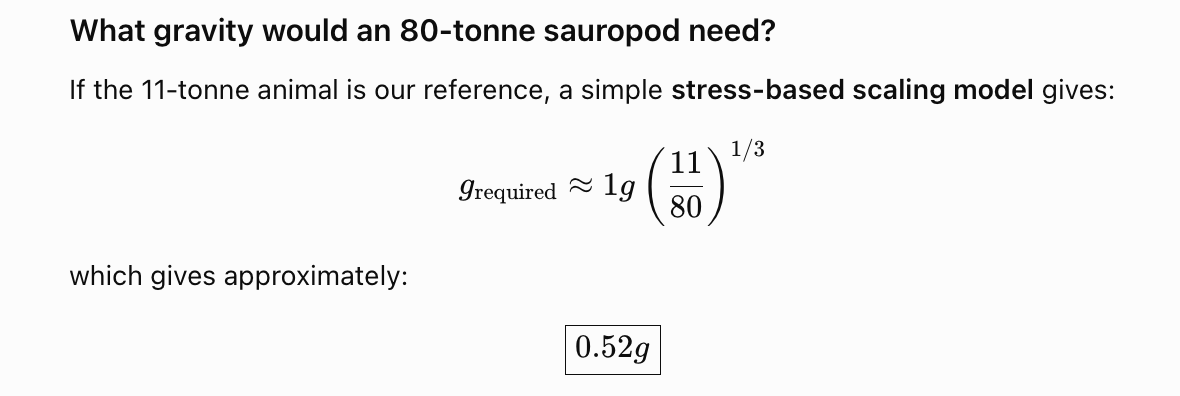
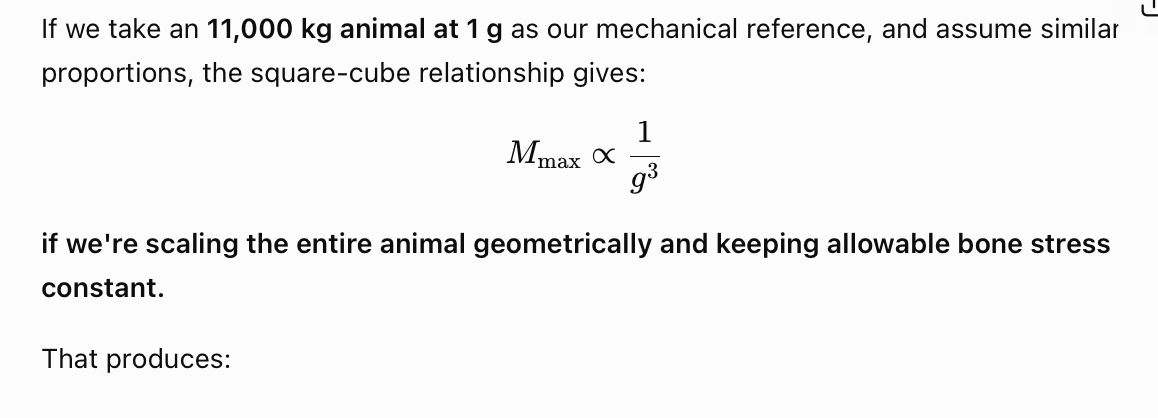
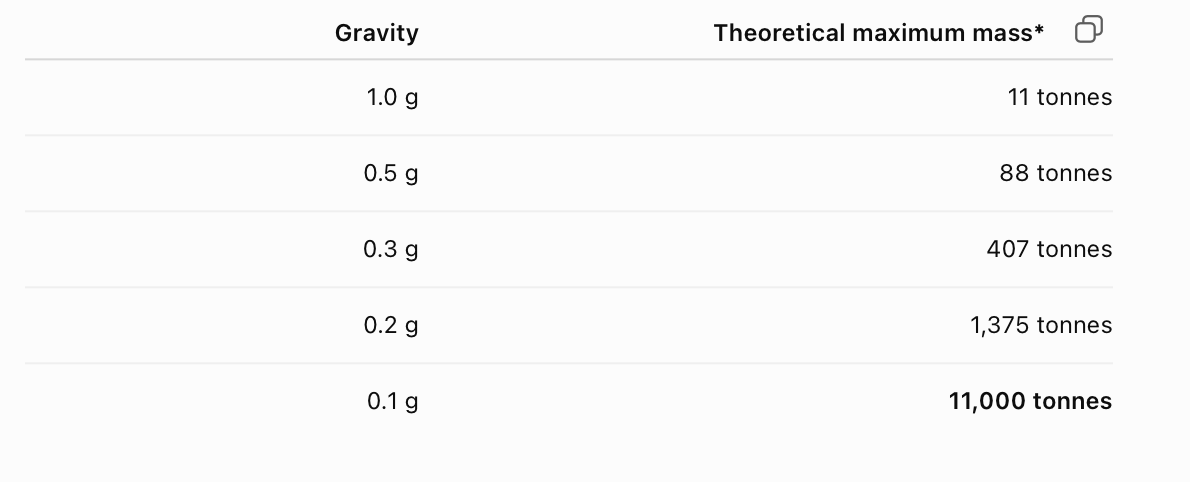
The largest known flying animal in Earth’s history by weight is the giant azhdarchid pterosaur Quetzalcoatlus northropi, which weighed an estimated 200 to 250 kg (440 to 550 lbs). In humans and bovids, cortical bone has been evaluated to withstand maximum stress. Hence, within the context of comparable loading regimes, the mechanical state of each sauropod model examined suggests that all skeletal pedal postures would most likely have resulted in mechanical failure (e.g., stress fractures).
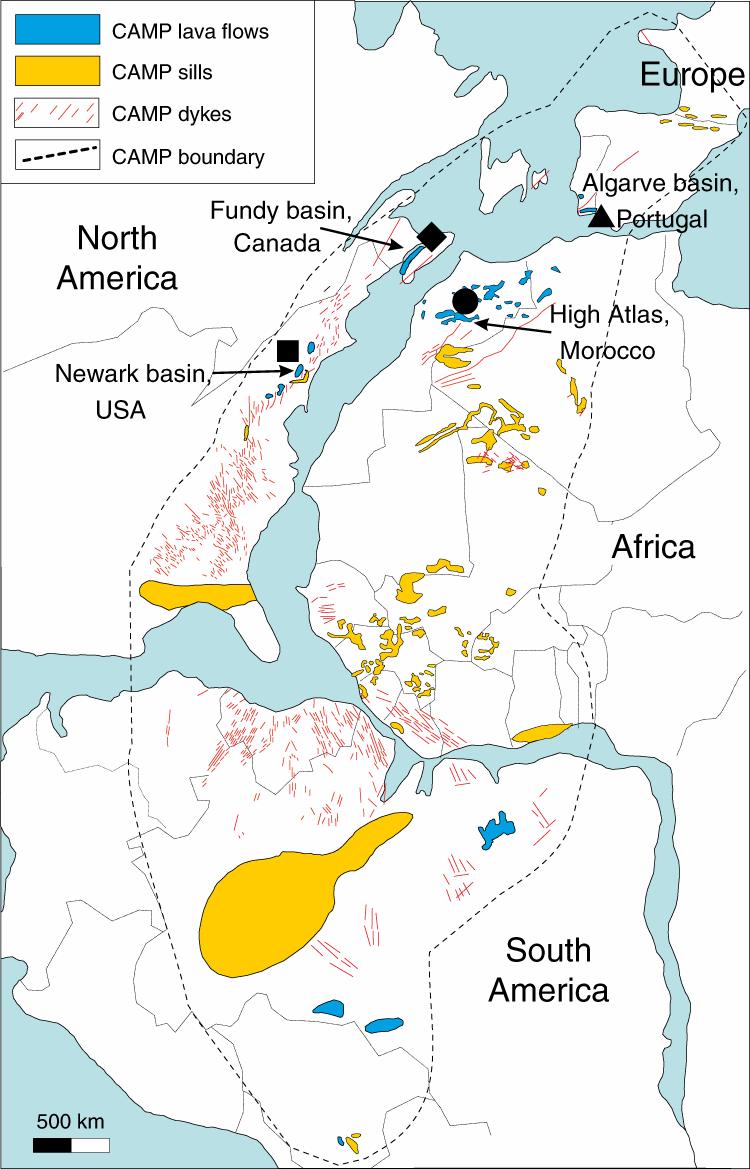
This state would have been intensified when subjected to repetitive heavy loadings, as would be expected during normal locomotion, ultimately resulting in fatigue fracture in all digits. Being unable to support or move properly, the high probability of mechanical failure would have had a substantial impact on the animal’s survival. FIVE LARGEST FLYING ANIMALS 1. Quetzalcoatlus northropiWingspan: 10–11 m (33–36 ft) Weight: 200–250 kg (440–550 lb) Lived: 68–66 million years ago Location: North America 2. Hatzegopteryx thambema 3. Cryodrakon boreas 4. Arambourgiania philadelphiae 5. Thanatosdrakon amaru Before the impact the lithosphere draped the planet in an unbroken rocky shell punctuated by volcanoes which relieved internal pressure, from transformation of electrons and positrons into atoms by the field, with volcanic eruptions increasing planetary surface area by thickening the lithosphere. The Siberian Traps were an immense episode of flood-basalt volcanism that occurred about 252 million years ago near the end of the Permian Period. lava poured from thousands of long fissures across what is now Siberia over several hundred thousand years. The eruptions produced an estimated 3–5 million cubic kilometres of basaltic lava, enough to bury an area the size of Australia beneath successive lava flows that reached several kilometres in thickness in some places. |
Atoms are Electrons and Positrons


 Titanium deposits only on the near side suggest the surface of the moon was heated by atmospheric friction before impacting earth, shattering the lithosphere causing the Permian extinction before rebounding into lunar orbit.